
Jonathan M. Hall in the first page of his well-known book ‘Ethnic Identity in Greek Antiquity’ is honest enough to declare that ‘in the wake of the second world war - and more particularly the Holocaust - the motives for treating ethnic identity as a valid area of research were discredited. The subject of ancient Greek ethnicity was no exception’. The concept of race has of course also been discredited. Thus - as per previous comment, we can use the term ‘Greek population’ instead. But this term is very weak outside its biological context.
Can we use the expression ‘Greek structure of thought’ for the purposes of an analysis of the ‘Greek Continuity’? The ‘Greek structure of thought’ could be useful in examining if an author - especially in ages very distant to us-writes as a native Greek or uses rules learned in a schoolroom, the latter indicating that he is not a native speaker. But this nativity test, even if it is accompanied by the author’s observance of attitudes developed in the classical era, cannot provide us with definite results.
‘Greek peoplehood’ or ‘Greek collective identity’ are I think better expressions to replace the disallowed ‘ethnic identity’ or ‘race’. Six of the essays in this booklet (1, 2, 4, 5, 6, 8) constitute part of the long excursus of my unpublished work ‘Greek Continuity.’ This work examines the continuity of the Greek collective identity from the end of the classical period in 300 BCE (following the deaths of Aristotle and Alexander the Great) till the fall of Constantinople in 1453 CE.
The greatest difficulty in proving this continuity is the impossible task of re-translating (achieving the correct comprehension) of at least the basic Greek texts e.g. Plato and Aristotle. Misapprehensions as regards the Greek terminology by other peoplehoods did not lead only to the various ecclesiastical schisms and fights in the Ecumenical Synods but also to scientific misinterpretations. This backwardness with its ghost dominated phantasy world has created solid ‘mental’ interpretation barriers that still do not allow us to get the full benefits of some unparalleled thinkers and scientists. Essay 1 of this collection tries to transfer correctly the ‘soul’ and some other basic aspects of Plato’s published work. In Essay 6, I translate the views of Dicaearchus who does not seem to appreciate Plato that much and mostly his Athenian audience.
Πίνακας Περιεχομένων
1. Η ΜΗΧΑΝΙΚΗ ΨΥΧΗ ΣΤΟΝ ΤΙΜΑΙΟ ΚΑΙ ΜΙΑ ‘ΣΥΖΗΤΗΣΗ’ ΜΕ ΤΟΝ GREGORY VLASTOS ΚΑΙ ΤΟΝ IAN MUELLER. THE SOULMACHINE IN TIMAEUS AND A ‘CONVERSATION’ WITH GREGORY VLASTOS AND IAN MUELLER (2008-updated 2019)
2. ΝΟΝΝΟΣ ΠΑΝΟΠΟΛΙΤΗΣ. NONNOS OF PANOPOLIS (2009-updated 2020)
3. ΜΠΕΡΔΕΥΟΝΤΑΣ ΤΗΝ ΟΡΓΑΝΙΚΗ ΚΥΚΛΙΚΟΤΗΤΑ ΤΩΝ ΔΙΑΔΙΚΑΣΙΩΝ ΤΗΣ ΦΥΣΗΣ ΜΕ ΤΟ ΜΥΑΛΟ ΚΑΙ ΤΗΝ ΕΠΙΣΤΗΜΗ. MIXING UP NATURE’S ORGANIC CYCLES WITH THE BRAIN AND SCIENCE (2019)
4. Η ΣΤΑΔΙΑΚΗ ΔΙΑΜΟΡΦΩΣΗ ΤΗΣ ΘΕΟΤΗΤΑΣ ΕΝ ΠΡΟΣΩΠΩ ΣΤΗΝ ΕΛΛΑΔΑ. GODS DISPLAYING THEIR FACES IN ANCIENT GREECE (2006)
5. ΤΑ ΔΡΩΜΕΝΑ ΚΑΗ ΑΓΙΑ ΤΡΙΑΔΑ . OLD RITUALS AND THE HOLY TRINITY (2010)
6. Ο ΔΙΚΑΙΑΡΧΟΣ ΓΙΑ ΤΟΝ ΠΛΑΤΩΝΑ. DICAEARCHUS REMARKS ON PLATO (2002)
7. ΟΤΙ ΕΙΝΑΙ ΑΝΤΙΚΕΙΜΕΝΙΚΟ ΠΡΕΠΕΙ ΝΑ ΥΠΑΡΧΕΙ ΟΜΟΙΟΜΟΡΦΟ ΣΕ ΠΟΛΛΑ ‘ΜΥΑΛΑ’. WHAT IS OBJECTIVE MUST BE COMMON TO MANY MINDS (2003)
8. ΑΠΟΣΠΑΣΜΑΤΑ ΑΠΟ ΤΗΝ ΜΕΤΑΦΡΑΣΗ ΠΟΥ ΕΚΑΝΑ ΣΤΟ ΒΙΒΛΙΟ ΤΟΥ ARNALDO MOMIGLIANO ‘ΠΤΥΧΕΣ ΤΟΥ ΕΛΛΗΝΙΣΤΙΚΟΎ ΙΟΥΔΑΪΣΜΟΎ’. (PARTS OF MY TRANSLATION OF ARNALDO MOMIGLIANO’S BOOK’ ASPECTS OF HELLENISTIC JUDAISM’) (2020)
Στόχοι και Θεματική της Ανάλυσης
Το κεντρικό ζήτημα της παρούσας συλλογής κειμένων είναι η εξέταση της συνέχειας της ελληνικής συλλογικής ταυτότητας και της σκέψης από την ύστερη κλασική περίοδο (300 π.Χ.) έως την πτώση της Κωνσταντινούπολης (1453 μ.Χ.), διερευνώντας τις επιρροές και τις αλλοιώσεις που υπέστησαν οι ελληνικές έννοιες στη διαδρομή τους μέσω της φιλοσοφικής και θεολογικής παράδοσης.
- Η ανάλυση της πλατωνικής έννοιας της ψυχής και της «μηχανικής» φύσης της.
- Η κριτική εξέταση της πρόσληψης αρχαίων εννοιών από τη δυτική φιλοσοφία και τον χριστιανισμό.
- Η διερεύνηση της ιστορικής συνέχειας των ελληνικών «δρώμενων» και τελετουργικών πρακτικών.
- Η αποδόμηση σύγχρονων ερμηνειών της ελληνικής ιστορίας που αγνοούν τις ιδιαιτερότητες της ελληνικής φιλοσοφικής σκέψης.
- Η ανάλυση της σχέσης μεταξύ ελληνισμού, ιουδαϊσμού και της δημιουργίας της χριστιανικής θρησκευτικής ταυτότητας.
Απόσπασμα από το βιβλίο
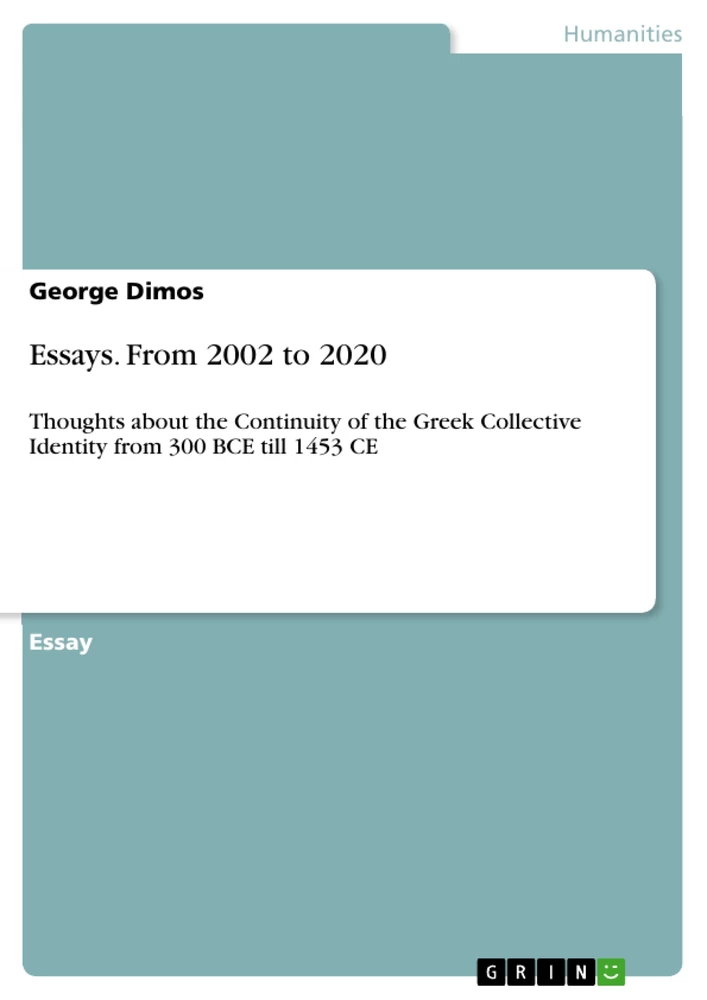
Thoughts about the Continuity of the Greek Collective Identity from 300 BCE till 1453 CE
Jonathan M. Hall in the first page of his well-known book ‘Ethnic Identity in Greek Antiquity’ is honest enough to declare that ‘in the wake of the second world war - and more particularly the Holocaust- the motives for treating ethnic identity as a valid area of research were discredited. The subject of ancient Greek ethnicity was no exception’. The concept of race has of course also been discredited. Thus-as per previous comment, we can use the term ‘Greek population’ instead. But this term is very weak outside its biological context.
Can we use the expression ‘Greek structure of thought’ for the purposes of an analysis of the ‘Greek Continuity’? The ‘Greek structure of thought’ could be useful in examining if an author- especially in ages very distant to us-writes as a native Greek or uses rules learned in a schoolroom, the latter indicating that he is not a native speaker. But this nativity test, even if it is accompanied by the author’s observance of attitudes developed in the classical era, cannot provide us with definite results.
‘Greek peoplehood’ or ‘Greek collective identity’ are I think better expressions to replace the disallowed ‘ethnic identity’ or ‘race’.
Περίληψη των Κυριότερων Κεφαλαίων
1. Η ΜΗΧΑΝΙΚΗ ΨΥΧΗ ΣΤΟΝ ΤΙΜΑΙΟ ΚΑΙ ΜΙΑ ‘ΣΥΖΗΤΗΣΗ’ ΜΕ ΤΟΝ GREGORY VLASTOS ΚΑΙ ΤΟΝ IAN MUELLER: Το κεφάλαιο εξετάζει την πλατωνική περιγραφή της ψυχής στον «Τίμαιο», εστιάζοντας στη μηχανική της διάσταση και ασκώντας κριτική στις μεταγενέστερες ερμηνείες των Vlastos και Mueller.
2. ΝΟΝΝΟΣ ΠΑΝΟΠΟΛΙΤΗΣ: Μια μελέτη της ποίησης του Νόννου και της «Παράφρασης» του Ευαγγελίου, προσεγγίζοντάς την μέσα από το πρίσμα της ελληνικής ποιητικής παράδοσης και της σχέσης της με το αρχαιοελληνικό σύμπαν.
3. ΜΠΕΡΔΕΥΟΝΤΑΣ ΤΗΝ ΟΡΓΑΝΙΚΗ ΚΥΚΛΙΚΟΤΗΤΑ ΤΩΝ ΔΙΑΔΙΚΑΣΙΩΝ ΤΗΣ ΦΥΣΗΣ ΜΕ ΤΟ ΜΥΑΛΟ ΚΑΙ ΤΗΝ ΕΠΙΣΤΗΜΗ: Εξετάζει την εισαγωγή «οργανικών» μεταφορών στη σκέψη από τον νατουραλισμό και τον Μαρξισμό, αντιπαραβάλλοντάς τες με την απουσία τους στην αυθεντική ελληνική φιλοσοφική σκέψη.
4. Η ΣΤΑΔΙΑΚΗ ΔΙΑΜΟΡΦΩΣΗ ΤΗΣ ΘΕΟΤΗΤΑΣ ΕΝ ΠΡΟΣΩΠΩ ΣΤΗΝ ΕΛΛΑΔΑ: Αναλύει την εξέλιξη των εννοιών του θείου στην Ελλάδα και τη διαμόρφωση της «θεότητας εν προσώπω» σε σύγκριση με τους γεωφυσικούς δαίμονες.
8. ΑΠΟΣΠΑΣΜΑΤΑ ΑΠΟ ΤΗΝ ΜΕΤΑΦΡΑΣΗ ΠΟΥ ΕΚΑΝΑ ΣΤΟ ΒΙΒΛΙΟ ΤΟΥ ARNALDO MOMIGLIANO ‘ΠΤΥΧΕΣ ΤΟΥ ΕΛΛΗΝΙΣΤΙΚΟΎ ΙΟΥΔΑΪΣΜΟΎ’: Παρουσιάζει κριτικά στοιχεία για τις αλληλεπιδράσεις Ελλήνων και Ιουδαίων, αναδεικνύοντας τις διαστρεβλώσεις και τις μυθοπλασίες που επιχειρήθηκαν στην ιστοριογραφία του εν λόγω πεδίου.
Κλειδιά-Λέξεις
ελληνική συνέχεια, Τίμαιος, πλατωνική ψυχή, μηχανική ψυχή, Νόννος Πανοπολίτης, αρχαίοι ελληνικοί τρόποι, οργανικότητα, γνωστικισμός, θεότητα εν προσώπω, ιστοριογραφία, ψευδεπίγραφα, ιουδαϊκή σκέψη, Arnaldo Momigliano, ελληνική ταυτότητα, Φίλων ο Ιουδαίος.
Συχνές Ερωτήσεις
Ποιο είναι το κύριο αντικείμενο της έρευνας του συγγραφέα;
Η βασική επιδίωξη του ερευνητή είναι η διαλεύκανση των μηχανισμών και των στάσεων που διέπουν τη συνέχεια της ελληνικής συλλογικής ταυτότητας από τον 3ο αιώνα π.Χ. έως την πτώση της Κωνσταντινούπολης, μέσα από την απομόνωση των ελληνικών διανοητικών δομών από ξένες επιρροές.
Ποια είναι τα κεντρικά θέματα που πραγματεύεται η εργασία;
Τα κεντρικά πεδία περιλαμβάνουν την πλατωνική φιλοσοφία, την αλλοίωση των αρχαιοελληνικών εννοιών από τη νεότερη δυτική σκέψη, τον ρόλο του Νόννου του Πανοπολίτη ως φορέα της ελληνικής παράδοσης, καθώς και την κριτική ανάλυση των ελληνο-ιουδαϊκών ιστορικών αλληλεπιδράσεων.
Ποιο είναι το πρωταρχικό ερευνητικό ερώτημα;
Το ερώτημα αφορά το αν και κατά πόσον οι βασικές ελληνικές δομές σκέψης παρέμειναν ενεργές ή αλλοιώθηκαν από τη διασάλευση που προκάλεσαν οι μονοθεϊστικές και μεταγενέστερες ρομαντικές-νατουραλιστικές προσεγγίσεις στην οντολογία.
Ποια επιστημονική μέθοδος ακολουθείται;
Χρησιμοποιείται μια μέθοδος κριτικής ανάλυσης πρωτογενών κειμένων και μεταφράσεων, με έμφαση στην αποκατάσταση των αυθεντικών σημασιών των λέξεων και την αποφυγή μεταγενέστερων «δυτικών» ή θεολογικών προκαταλήψεων που εμποδίζουν την κατανόηση της ελληνικής ιδιοσυγκρασίας.
Τι εξετάζεται στον κύριο κορμό της εργασίας;
Ο κύριος κορμός αναλύει διαδοχικά θέματα όπως η φύση της πλατωνικής ψυχής, η μαθηματική προσέγγιση του κόσμου στους διαλόγους του Πλάτωνα, η λειτουργία των «δρώμενων» στην αρχαία λατρεία και η ιστοριογραφική σύγκρουση (ή απουσία αυτής) μεταξύ Ελλήνων και Ιουδαίων στη λογοτεχνία της ελληνιστικής εποχής.
Ποια είναι τα κύρια χαρακτηριστικά της ταυτότητας των δοκιμίων;
Η εργασία χαρακτηρίζεται από μια προσπάθεια για επανατοποθέτηση της ελληνικής σκέψης, απορρίπτοντας οτιδήποτε ξένο προς το «ελληνικό πρότυπο», ενώ παράλληλα προβαίνει σε μια αυστηρή κριτική απέναντι σε σύγχρονους ιστορικούς και φιλοσόφους που ερμηνεύουν τα κείμενα μέσω ιδεολογικών «στερεοτύπων».
Πώς ερμηνεύει ο συγγραφέας το ζήτημα της πλατωνικής ψυχής;
Ο συγγραφέας θεωρεί ότι η πλατωνική ψυχή στον «Τίμαιο» έχει μια αναπόσπαστη μηχανική διάσταση που συνδέεται με τη φυσική ύλη, καταρρίπτοντας ερμηνείες που την ανάγουν αποκλειστικά σε μεταφυσικές ή μυστικιστικές κατασκευές.
Γιατί θεωρεί ο συγγραφέας ότι οι σύγχρονες αναλύσεις αποτυγχάνουν;
Κατά τον συγγραφέα, η «ημιμαθής» ακαδημαϊκή προσέγγιση πάσχει από την αδυναμία κατανόησης των θεμελιωδών διαφορών μεταξύ της ελληνοκεντρικής σκέψης και της δυτικής «σχολής», η οποία συχνά επιβάλλει έννοιες (όπως το «οργανικό») που είναι ξένες προς την αρχαία ελληνική παιδεία.
- Quote paper
- George Dimos (Author), 2020, Essays. From 2002 to 2020, Munich, GRIN Verlag, https://www.grin.com/document/1431007

