What to expect
First things first:
- A cover often decides within seconds whether someone will buy or click.
- Romantic designs follow clear genre codes (colors, typography, motifs).
- DIY tools offer affordable, fast results.
- Legibility in thumbnail size is crucial for online success.
- Professional services can make a significant difference in quality.
The First Glance Counts: Why Romance Covers Are So Powerful
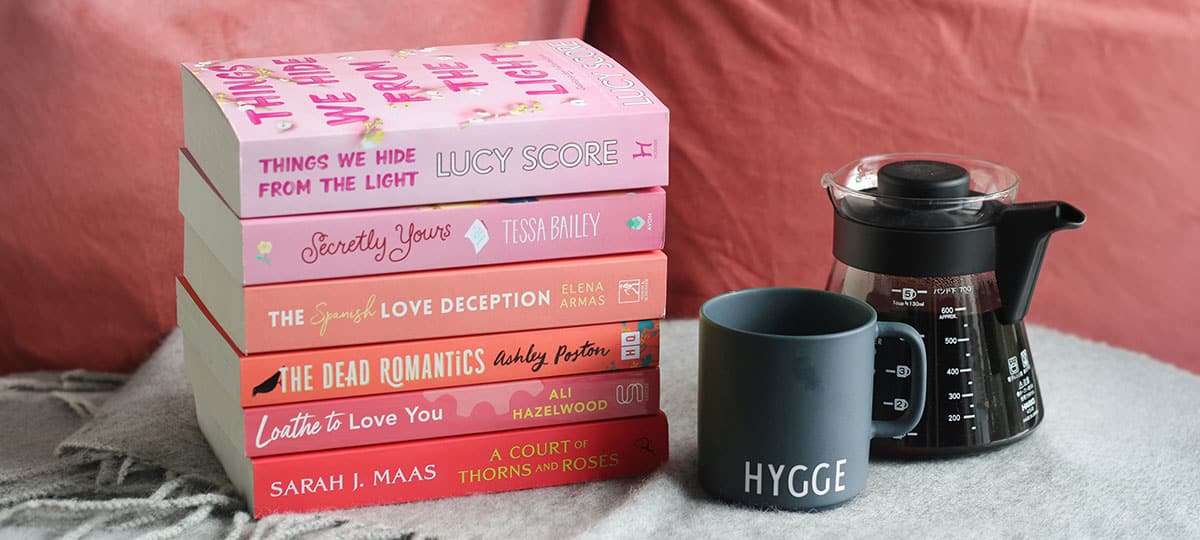
In self-publishing, the cover is not just packaging – it’s a selling point. Especially in the romance genre, it serves as a visual promise: love, longing, drama, or passion must be immediately recognizable. Readers often intuitively decide if a book is “for them.” Colors, imagery, and typography communicate this message even before the title is read. Romantic covers work with recurring patterns: warm tones, soft contrasts, depictions of couples, or symbolic motifs like flowers, light, or nature. Ignoring these codes risks designing a book that misses the mark in the market, even if the text itself is excellent.
DIY Instead of a Design Agency: Opportunities for Self-Publishing Authors
The good news: It has never been easier to design your own cover. DIY is well-established in self-publishing. Tools like Canva, GIMP or Adobe Express enable professional results – even without a graphic design degree. The benefits are clear: maximum creative control, low costs, and fast implementation. Many authors use these tools, especially for first publications or test projects. However, DIY also comes with challenges: time investment, technical requirements, and the risk of an unprofessional appearance. In the romance genre, where visuals play a major role, the quality of the cover greatly influences visibility and sales.
Romantic Designs That Work: Design Principles
A successful romance cover thrives on emotion and clarity. Three central factors play a role:
- Using Color Psychology Intentionally:Pastel tones, rose, gold, or warm light moods convey intimacy and emotion. Darker color schemes, on the other hand, signal “dark romance” or dramatic content.
- Typography as a Genre Signal:Curved fonts, serif fonts, or handwritten elements feel romantic – as long as they remain legible. Legibility is especially crucial for small online thumbnails.
- Focus Instead of Overload:A strong image, clear hierarchy, and enough white space ensure professionalism. Too many elements quickly appear amateurish – a common DIY mistake.
DIY Cover Design Tools: An Overview
The market offers numerous tools specifically designed for self-publishing authors:
- Canva: Intuitive drag-and-drop editor with templates, stock images, and AI features. Particularly suitable for beginners.
- GIMP: A free alternative to Photoshop, ideal for detailed image editing.
- Adobe Express: A mix of simplicity and professional features, including branding options.
- AI-Powered Image Generators: Allow for custom motifs but come with risks regarding style consistency and usage rights.
Many of these tools offer templates specifically designed for book covers. However, templates are only the starting point – customization is key to standing out from the crowd.
When DIY Reaches Its Limits: The GRIN Cover Plus Service
As versatile as DIY tools are, they don’t always deliver the desired result. Especially when you’re unsure about the design or need a particularly professional impression, external support can be worthwhile.
Here’s where the GRIN Cover Plus service comes in: For €50, our graphic designer will create a custom book cover for you. Relevant motifs are researched, and a design is developed that’s tailored specifically to your book. An added benefit: the service also includes adding an author photo on the back cover – a detail that is particularly helpful for branding, especially with print titles, and builds trust. This service provides a great middle ground for self-publishing authors: more individuality than standard templates but much more affordable than fully commissioned design work. It’s also conveniently included in the Gold package.
From Concept to Sales Cover: Practical Tips
A good cover rarely comes on the first try. Successful self-publishers test variations, gather feedback, and orient themselves to bestsellers in their genre. An important step is the preview in miniature format: what impresses in large format may look illegible online. Technical aspects such as trim, color profiles, and print requirements should also be considered early on, especially for print editions. Mockups can also help present the cover realistically and prepare marketing materials.
Conclusion: Between Feeling, Tools, and Support
Romantic book covers are more than just beautiful images – they are strategic tools.. DIY tools offer self-publishing authors many opportunities to implement their ideas and save costs. At the same time, professional support can make a significant differencewhen it comes to market adaptation and visual quality. The real “treasure hunt” lies in finding the right balance – between your creativity, technical possibilities, and targeted support.
Sources
- Canva
- Adobe Express
- buchcover.ai
- Quillbot
- https://buchcover.ai/blog
- https://www.bodobe.de/warum-ist-ein-gutes-buchcover-so-wichtig/
- https://blattwerkstatt.eu/blog/infos/ein-buchcover-erstellen-so-gehts-die-wichtigsten-tipps-fuer-ein-cover-das-leser-anzieht/
- https://www.lesering.de/id/4941625/Buchcover-erstellen—So-gelingt-der-visuelle-Wow-Effekt/
- https://www.buchinsider.net/2025/05/22/buchcover-gestalten/
- https://www.shutterstock.com/de/blog/buchcover-bestseller-designs
Frequently asked questions
Yes, with tools like Canva , the entry barrier is low. It’s important to stick to genre standards and seek feedback.
Between €0 and about €50 – depending on tools, stock images, and possible premium features.
Especially when you don’t have your own design idea or want a professional look without spending too much.
Illegible fonts, incorrect genre signals, too many design elements, and lack of thumbnail optimization.
Templates are fine as a base, but they should always be customized to avoid looking generic.


Do you like our magazine? Then sign up for our GRIN newsletter now!